When investing in a new residential heater, understanding the warranty options available can significantly impact your long-term satisfaction and financial security. A warranty serves as a safety net, providing protection against defects and potential failures that may arise after installation. In Minnesota's particular climate, where heaters often work overtime, having a solid warranty can be especially crucial. This article explores the various warranty options for residential heaters in Minnesota, detailing what you need to know to make an informed decision.
Types of Warranties
Warranties for residential heaters typically fall into two main categories: manufacturer's warranties and extended warranties. Each type offers different levels of coverage and has specific terms that homeowners should carefully consider.
Manufacturer's Warranty
A manufacturer's warranty is provided by the heater's manufacturer. It usually covers defects in materials and workmanship over a specified time frame, which can vary significantly depending on the brand and model. Most commonly, these warranties last between five to twelve years. Here are key elements associated with manufacturer's warranties:
- Coverage Period: The duration of coverage varies by part; for instance, heat exchangers may have longer coverage than other components. Transferability: Some manufacturers allow the warranty to be transferred to future homeowners, which can enhance property value. Exclusions: Manufacturer’s warranties often exclude damages caused by improper installation or maintenance neglect.
Understanding these factors is essential when selecting a heater, as they dictate how much peace of mind you will have regarding repairs or replacements.
Extended Warranty
An extended warranty is an optional service plan offered by retailers or third-party companies that provides additional coverage beyond the manufacturer’s warranty period. These warranties can be beneficial for those looking for extra protection against wear and tear or unexpected malfunctions. Here are several points to consider:
- Duration and Cost: Extended warranties vary widely in duration (from one year up to ten years) and cost (from hundreds to thousands of dollars). Scope of Coverage: While some plans cover parts only, others include labor costs associated with repairs. Service Network: Ensure that any extended warranty plan has a robust service network in Minnesota so that help is readily accessible when needed.
While extended warranties can provide extra peace of mind, it is vital to read the fine print carefully to understand what is included—and what isn't.
Importance of Local Experience
Choosing a heater involves more than just comparing models or prices; local climate conditions play a significant role in performance expectations. In Minnesota's cold winters, heaters must work efficiently under demanding circumstances. Selecting brands known for reliability in extreme temperatures can facilitate better long-term performance and ensure that any claims made under warranty are valid.
Local HVAC professionals often have insights into which brands stand up best against Minnesota's weather challenges. They also understand the common issues faced by residents with their heating systems—such as sediment buildup in water heaters—which could lead to failures not covered under standard warranties unless explicitly stated.
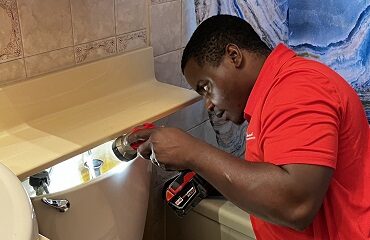
Common Warranty Claims
Understanding common issues leading to warranty claims can prepare homeowners for potential pitfalls down the line. Here are some frequent problems related specifically to heaters:
Thermostat Failures: Malfunctioning thermostats can lead to inconsistent heating or complete system failure. Heating Element Issues: Over time, heating elements may wear out due to extensive use. Leaks: Water heaters are prone to leaks primarily due to corrosion or faulty fittings. Pilot Light Problems: Issues with pilot lights not igniting or staying lit are common concerns. Pressure Relief Valve Failures: This critical component ensures safe operation; its malfunction can lead to serious hazards.If your heater encounters these problems within the warranty period, knowing how to file a claim correctly will save time and money.
Filing Warranty Claims
Filing a warranty claim requires careful documentation and adherence to specific procedures outlined by manufacturers or service providers. Typically, here are steps involved:
Gather Documentation: Keep all purchase receipts and documentation proving installation dates and compliance with maintenance recommendations. Contact Customer Service: Reach out directly to the manufacturer’s customer service department; they will guide you through their claims process. Detailed Description of Issue: Clearly describe the problem when submitting your claim—include photos if possible—to expedite processing. Follow Up Regularly: If there is any delay in response from the company after filing your claim, don’t hesitate to follow up until you receive clarity on next steps.Being proactive about understanding what documentation you need before issues arise will simplify this process significantly when it comes time to make a claim.
Maintenance Considerations
Regular maintenance plays an integral role in ensuring your heater operates efficiently throughout its lifespan—and also affects warranty validity. Many manufacturers stipulate routine servicing as a condition of maintaining coverage under their warranties.
Homeowners should consider scheduling annual inspections with licensed HVAC technicians who understand local no hot water heater repair services regulations and requirements within Minnesota homes. During these visits, technicians typically check various components like:
- Heating elements Thermostats Pressure relief valves Corrosion around fittings Sediment buildup
By investing in preventive maintenance services early on, homeowners not only extend their heater’s lifespan but also ensure they remain eligible for any warranted repairs needed down the road.
Conclusion
Investing in a new residential heater involves understanding more than just purchasing considerations; it requires knowledge about available warranties and ongoing maintenance needs specific to your environment. Whether opting for a manufacturer's warranty or an extended service plan through a third party, awareness of terms—alongside local climate implications—can help secure your investment effectively while avoiding costly surprises later on.
By taking proactive steps such as routine inspections and being familiar with filing claims procedures upfront should any issues occur ensures that you are well-prepared for whatever challenges arise during ownership of your heating system in Minnesota's diverse climate landscape.