Installing and maintaining a hot water tank is crucial for both residential and commercial properties. Without a reliable water heater, day-to-day activities such as bathing, cooking, and cleaning can become challenging. The process of installation and repair, while sometimes daunting, can be navigated successfully with the right knowledge and guidance.
Types of Water Heaters
When considering hot water tank installation, it is essential to understand the different types of water heaters available. The most common options include traditional tank water heaters, tankless systems, heat pump water heaters, and solar water heaters. Each type has its own set of advantages and disadvantages.
Traditional tank water heaters store a significant volume of hot water for immediate use. They are generally less expensive upfront but can lead to higher energy bills due to standby heat loss. On the other hand, tankless systems offer hot water on demand, which increases energy efficiency but may have a higher initial installation cost.
Heat pump water heaters transfer heat from the air or ground to heat water and are known for their energy efficiency. Solar water cost of heating element replacement heaters utilize sunlight for heating purposes and can significantly reduce utility bills over time. However, they require adequate sunlight exposure to be effective.
Key Considerations for Installation
Several factors should guide your decision-making when installing a hot water tank. First, assess your household's hot water needs. This involves considering the number of occupants in the home, peak usage times, and how much hot water each person typically consumes daily.
Next, evaluate your available space for installation since some models require more room than others. Ensure compliance with local building codes and regulations as well; improper installation could lead to safety hazards or costly fines.
Lastly, consider energy efficiency ratings. Opting for Energy Star-rated models can result in long-term savings on energy bills while also benefiting the environment.
Preparing for Installation
Before diving into the actual installation process, preparation is key. Begin by gathering all necessary tools such as adjustable wrenches, screwdrivers, pipe fittings, Teflon tape, and safety gear like gloves and goggles.
Shutting off the power supply or gas line to your existing unit is an essential step that should not be overlooked. If replacing an old unit with a new one in the same location, disconnecting the plumbing lines will be required before removing the old tank.
If you’re working with gas-powered systems specifically, ensure proper ventilation is available during the project to avoid carbon monoxide build-up during operation.
Step-by-Step Installation Process
Remove Old Unit: Carefully disconnect pipes leading to your old heater using appropriate tools while ensuring no damage occurs to surrounding areas.
Install New Tank: Position the new unit in place according to manufacturer guidelines—this often includes leveling it properly and anchoring it if necessary.
Connect Plumbing: Reattach incoming cold-water lines to the designated inlet on your new heater using thread sealant or Teflon tape as needed.
Connect Power Source: For electric units, connect wiring according to local codes; ensure that connections are secure before turning on power or gas supply.
Fill Tank: Open cold-water valves gradually until your tank fills; check for leaks at all connection points during this process.
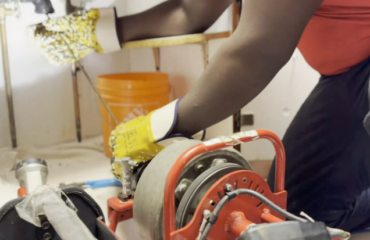
Test Operation: Finally, turn on power or gas supply and allow your new system adequate time to heat up before checking functionality across faucets throughout your property.
Common Issues Encountered in Hot Water Tanks
Even with proper installation practices followed diligently, issues can arise with any heating unit over time. Some typical problems include insufficient heating or no hot water at all—a frustrating scenario that might stem from faulty thermostats or malfunctioning heating elements.
Another prevalent issue is sediment buildup within tanks which can decrease efficiency significantly over time if left unaddressed. Regular maintenance practices such as flushing out tanks every six months help mitigate this concern effectively by removing debris that might affect performance.
Additionally, leaking tanks pose another serious threat not only due to potential property damage but also because they indicate underlying issues requiring immediate attention from professionals specializing in hot water heater services.
Essential Maintenance Tips
To extend the life of your heater while boosting its efficiency levels requires routine maintenance efforts undertaken periodically throughout its lifespan:
- Annual Flushing: Conduct annual flushes to remove sediment buildup inside tanks. Check Anode Rods: Inspect anode rods regularly; these components help prevent corrosion inside metal tanks. Monitor Pressure Relief Valve: Ensure this valve operates correctly—test it by lifting its lever gently once per year. Insulate Pipes: Insulating pipes connected to your heater reduces heat loss during transport between storage units & usage points. Professional Inspections: Schedule professional inspections every few years; technicians can spot early signs of wear or component failure before they escalate into larger problems requiring costly repairs later down the line.
When Professional Help Is Needed
Some situations demand professional intervention rather than DIY solutions due primarily because they involve complex components beyond basic homeowner capabilities:
- If you encounter electrical issues related directly tied into wiring setups surrounding electric units. Should there be persistent leaks despite attempts made at sealing joints properly—it may indicate deeper plumbing problems requiring experienced hands capable of resolving them efficiently without causing further damage downstream. Any situation involving gas-powered appliances necessitates contacting licensed professionals who possess expertise regarding local codes along with safety protocols associated with handling such potentially hazardous materials safely throughout repair processes performed therein!
Conclusion
Navigating through hot water tank installation requires planning alongside practical knowledge about various models available today along with best practices involved within maintenance routines established thereafter! With careful consideration given towards initial decisions made regarding type selection based upon unique household needs coupled together alongside ongoing upkeep measures taken regularly thereafter ensures optimal performance levels achieved continuously across all aspects relating directly tied into these essential fixtures utilized daily throughout residences everywhere!